Hero Background Image

220+ Google Reviews

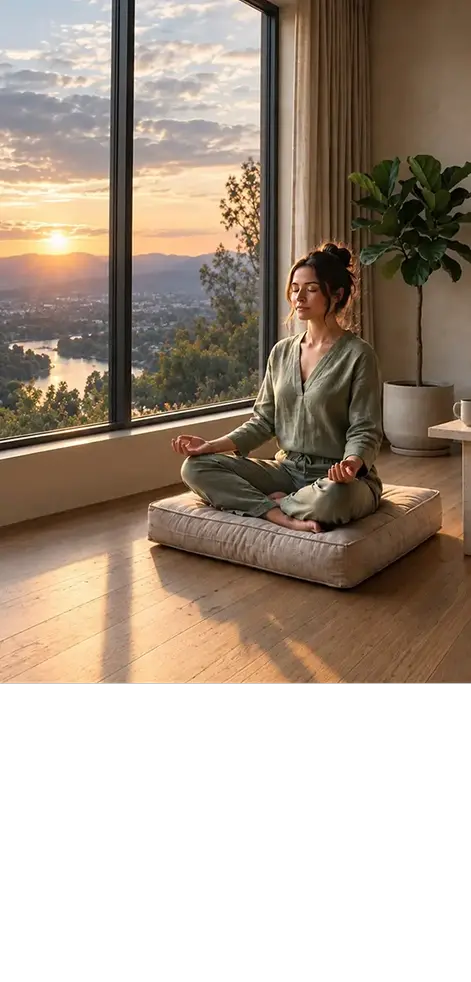
Rest Your Mind by Letting Go

Rest Your Mind by Letting Go

A guided meditation method to release the thoughts, emotions, and burdens you have been carrying, so you can feel lighter, and more like your true self.

A guided meditation method to release the thoughts, emotions, and burdens you have been carrying, so you can feel lighter, and more like your true self.

1-Hour Trial ✦ $35 ✦ Live 1:1 Guidance

1-Hour Trial ✦ $35 ✦ Live 1:1 Guidance

Online or In Person in Los Angeles

Online or In Person in Los Angeles

220+ Google Reviews

Find Your Way Within

How can we help you today?

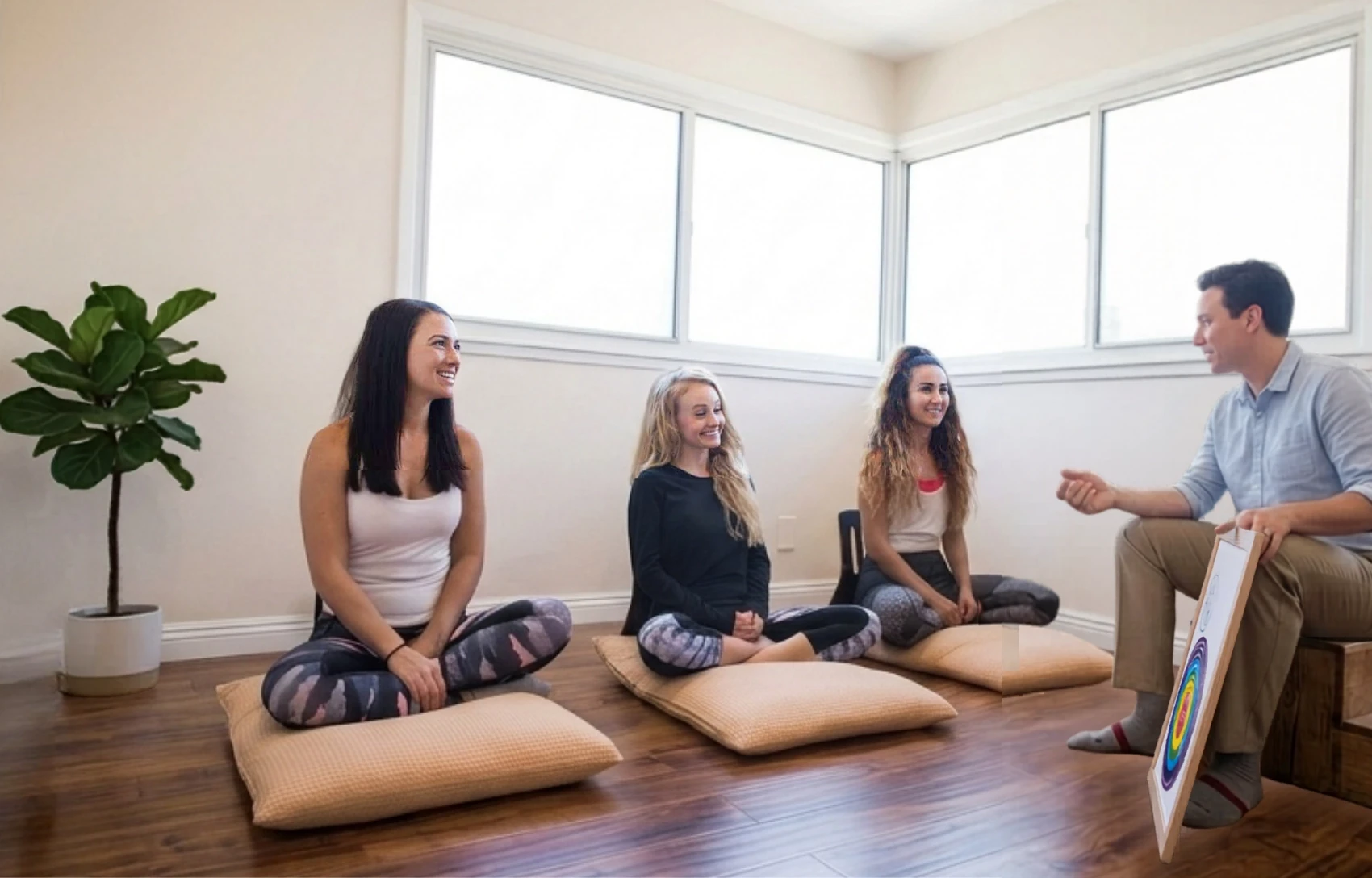
Choose what feels closest to you. Our 1:1 guided sessions will meet you there.

Choose what feels closest to you. Our 1:1 guided sessions will meet you there.

Stress Relief

Better Sleep

Emotional Healing

Deeper Meditation

Ease Anxiety & Overthinking

Our Unique Approach

What Makes Us Different

01

01

01

Let Go Instead of Manage

Learn to let go, not just manage. Rather than simply managing thoughts and emotions, our method helps you release the accumulated mind that keeps bringing them back.

02

02

02

A Clear Method You Can Practice

A structured path, not a vague idea. You are guided through a clear, step-by-step method that you can practice directly within your own mind.

03

03

03

Guided by a Real Person

You don’t have to figure it out alone. Every session is live and guided by an experienced meditation instructor, with support as you move through the process.

Testimonials

Transformative Client Experiences

  • My focus has improved, and I feel more peaceful and aware in daily life. I feel lighter, brighter, and more open to new opportunities.

    Alice

    Alice

    Singer | North Hollywood

  • Meditation helps me dwell less on the past, worry less about the future, and experience the present moment more fully.

    Photo of Alice

    Paul

    Director of Animation Company | Toluca Lake

  • My anxiety and depression are gone. I feel happier, more active, and I no longer feel overwhelmed or worried about the future.

    Gary

    Gary

    Musician | West Hollywood

  • This meditation helped me work through emotional scars and let go of negative energy that had been affecting my daily life.

    Emily

    Emily

    Video Editor | San Diego

  • I was very stressed and overwhelmed before meditation. Now my mind feels clearer, and I’m able to enjoy life much more.

    Autumn

    Autumn

    Registered Nurse | North Hollywood

  • This unique meditation helped me let go and changed the way I experience life. I feel happier than I can remember.

    Melissa

    Melissa

    Family Psychotherapist | Studio City

  • This meditation helped me let go of mental burdens, understand myself more clearly, and experience a greater sense of freedom and peace.

    Roy

    Roy

    Actor | Hollywood

  • I sleep better, feel calmer and more focused, and have experienced relief from TMJ pain and healthier, more positive relationships.

    Molly

    Molly

    Council Member | Vancouver

  • Meditation helped reduce my stress and anxiety. I feel calmer, more energetic, more optimistic, and better able to focus at work.

    Tamara

    Tamara

    PhD., Med Spa Doctor | Beverly Hills

  • My focus has improved, and I feel more peaceful and aware in daily life. I feel lighter, brighter, and more open to new opportunities.

    Alice

    Alice

    Singer | North Hollywood

  • Meditation helps me dwell less on the past, worry less about the future, and experience the present moment more fully.

    Photo of Alice

    Paul

    Director of Animation Company | Toluca Lake

  • My anxiety and depression are gone. I feel happier, more active, and I no longer feel overwhelmed or worried about the future.

    Gary

    Gary

    Musician | West Hollywood

  • This meditation helped me work through emotional scars and let go of negative energy that had been affecting my daily life.

    Emily

    Emily

    Video Editor | San Diego

  • I was very stressed and overwhelmed before meditation. Now my mind feels clearer, and I’m able to enjoy life much more.

    Autumn

    Autumn

    Registered Nurse | North Hollywood

  • This unique meditation helped me let go and changed the way I experience life. I feel happier than I can remember.

    Melissa

    Melissa

    Family Psychotherapist | Studio City

  • This meditation helped me let go of mental burdens, understand myself more clearly, and experience a greater sense of freedom and peace.

    Roy

    Roy

    Actor | Hollywood

  • I sleep better, feel calmer and more focused, and have experienced relief from TMJ pain and healthier, more positive relationships.

    Molly

    Molly

    Council Member | Vancouver

  • Meditation helped reduce my stress and anxiety. I feel calmer, more energetic, more optimistic, and better able to focus at work.

    Tamara

    Tamara

    PhD., Med Spa Doctor | Beverly Hills

THE SCIENCE OF MEDITATION

See What The Studies Found

CANCER NURSING2017 · RCT

Clinical wellbeing

7reported benefits
MIND CLEANSING RESEARCH

Significant differences vs. education

  • ↓Perceived stressp = .009
  • ↓Anxietyp = .036
  • ↓Depressionp = .034
  • ↑Sleep qualityp = .010
  • ↑Quality of lifep < .001
  • ↑Life satisfactionp < .001
  • ↑Posttraumatic growthp = .007

46 breast cancer survivors · South Korea

Study details & source
22 meditation24 education

Arrows show direction, not size of benefit. P-values are not improvement percentages.

Random assignment: Mind Subtraction Meditation versus self-management education. Results shown are those reported in the published abstract.

This small, specific sample does not establish the same benefits for every visitor. No effect size is inferred from p-values.

Yun et al., 2017 · Published abstract ↗
149-TEACHER SURVEY2012

Mental health

149teachers surveyed
MIND CLEANSING RESEARCH

Overall SCL-90 mean · Lower is better

Meditation Near Me | Meditation Center & Classes Los AngelesGroup means from Table 5. The plot shows 0 to 1.15; the instrument scale is 0 to 4. Lower is better. Standard deviations appear in Study details.0.00.51.0Mean score · scale 0–4Meditation Near Me | Meditation Center & Classes Los Angeles0.64Level 1–2Meditation Near Me | Meditation Center & Classes Los Angeles0.71Level 3–4Meditation Near Me | Meditation Center & Classes Los Angeles0.49Level 5–7Meditation Near Me | Meditation Center & Classes Los Angeles0.27Level 8+

Cross-sectional groups · Original 2012 levels

Study details & source

Cross-sectional teacher survey. SCL-90 item-mean scale: 0–4. Bars show group means, not personal change.

Overall score · Mean ± SD
Study levelMean ± SD
1–20.64 ± 0.54
3–40.71 ± 0.62
5–70.49 ± 0.58
8+0.27 ± 0.28

Association does not establish causation. The source used “8+”; it should not be relabeled as today's course structure.

Lee, 2012 · Table 5, p. 17 ↗
HARVARD / MGH2025 · RCT

Stress over time

−4.48points at week 26
GENERAL MEDITATION RESEARCH

Meditation arm · PSS-10 · Lower is better

Meditation Near Me | Meditation Center & Classes Los AngelesScores derived from a shared modeled baseline of 21.64 plus Table 2 changes. Weeks are spaced proportionally. Plot range 0 to 25; full PSS-10 scale 0 to 40.01020PSS-10 scoreBaselineWeek 0Week 9Week 26Meditation Near Me | Meditation Center & Classes Los Angeles21.64Meditation Near Me | Meditation Center & Classes Los Angeles17.24Meditation Near Me | Meditation Center & Classes Los Angeles17.16

All groups improved; no significant difference between groups.Not a study of Mind Cleansing.

Study details & source

211 adults; meditation n=73. Eight weeks of instruction, followed by continued home practice through week 26.

Adjusted PSS-10 point changes from baseline
ChangeWeek 9Week 26
Meditation−4.40−4.48
Yoga−5.95−7.09
Education−5.20−6.04

Chart scores = shared modeled baseline (21.64) + Table 2 changes. Not raw individual scores. PSS-10 scale: 0–40.

Denninger et al., 2025 · Table 2 ↗

Explore the Method

More Resources

Guidance for Your Inner Journey

Modern professional man feeling burned out

Aug 16, 2026

Burnout Is Not in Your Head — Your Cortisol, HRV, and Cells Know It First

You’ve rested. You’ve taken the time off. And yet it doesn’t feel like recovery. Burnout is not a mindset problem — it’s a body problem. And the body has been recording it long before you noticed.


Quick Answer

Burnout raises cardiovascular disease risk by 21–27% (2024 meta-analysis) through a measurable physiological pathway — HPA axis dysregulation, chronic cortisol overproduction, and HRV suppression. These are not psychological side effects. They are biological events happening in the body regardless of how the person subjectively feels. Rest alone does not reverse them because it does not address the accumulated stress load driving the pathway.


In cardiology, we see a pattern that rarely makes it into the formal diagnosis. Blood pressure normal. Cholesterol normal. EKG unremarkable. And yet the patient sitting across from me has not felt like themselves in months — fatigued in a way that sleep doesn’t touch, irritable in ways they can’t explain, disconnected from work that used to matter. The word burnout comes up. And the clinical reality is that burnout is not a psychological state with physical side effects. It is a physiological condition with psychological symptoms.

Why burnout doesn’t respond to rest the way fatigue does


The critical distinction between ordinary fatigue and burnout is what happens when you rest. Fatigue resolves with adequate sleep and recovery. Burnout, classified by the WHO in 2019 as an occupational phenomenon resulting from chronic workplace stress, does not. A weekend, a vacation, even a month off can leave a person with burnout feeling no fundamentally different when they return. The reason is that burnout involves HPA axis dysregulation — the system that governs the stress response has been impaired, not merely depleted.


What the research shows

A November 2025 systematic review found that burnout is associated with altered HPA axis activity, blunted diurnal cortisol variation, and disrupted sleep-wake cycles — changes in the endocrine system, not just subjective exhaustion. The authors described burnout as “increasingly recognized as both a psychosocial and a chronobiological disorder.” (Clocks & Sleep, November 2025)

The cardiovascular numbers behind burnout


21–27%

Increased cardiovascular disease risk in individuals with burnout

Frontiers in Psychiatry · meta-analysis · February 2024


HRV ↓

Reduced parasympathetic activity confirmed as burnout biomarker

medRxiv · 57 healthcare workers · September 2025


1 year

Workplace stress slows HRV recovery after first heart attack

Frontiers in Public Health · 2024

How burnout suppresses HRV — and why that matters


Heart rate variability reflects the balance between the sympathetic and parasympathetic nervous systems. In burnout, sympathetic dominance suppresses parasympathetic activity — and HRV drops. A September 2025 study of 57 nurses and ICU staff found HRV to be a reliable objective biomarker of burnout severity. If you are tracking HRV on a wearable device and seeing a consistently downward trend, that number may be telling you something your annual checkup is not.


What makes this clinically significant is the cardiac recovery dimension. A 2024 Frontiers in Public Health study of 122 patients after a first acute coronary syndrome found that high effort-reward imbalance at work was significantly associated with slower recovery of five frequency-domain HRV measures over the following year. In other words: if a patient returns to a high-burnout work environment after a heart attack, the heart’s recovery is measurably compromised. Burnout is not a backdrop to cardiovascular disease — it is an active variable within it.

Why burnout hits men and women differently in the body


Research has shown that the physiological profile of burnout differs by sex. In men, burnout is more strongly associated with reduced parasympathetic activity and blunted HPA axis reactivity to acute stress — the stress response system responds less, not more. In women, the cortisol reactivity pattern and immune function changes tend to follow different trajectories. This matters because two people experiencing the same workplace demands may be manifesting burnout through different biological pathways — which has implications for how recovery should be approached.

Signs that burnout may be affecting the body — not just the mind


These occur independently of motivation or mindset:

  • Waking unrefreshed after adequate sleep — fatigue that starts before the day does

  • No sense of recovery after weekends or time off

  • Disproportionate mental effort required for routine decisions

  • Emotional reactivity that feels out of proportion, or emotional numbness

  • Persistent headaches, digestive disruption, or muscle tension without clear cause

  • Cynicism toward work that previously felt meaningful — not a mindset shift, a biological signal

Why rest is necessary but not sufficient


Rest matters. Sleep is when HRV naturally recovers and the parasympathetic system reasserts itself. But in burnout, the HPA axis dysregulation means the body’s ability to fully return to baseline is impaired even during rest. The accumulated psychological load — unresolved workplace conflict, chronic performance pressure, the persistent gap between effort and recognition — keeps the HPA axis in a state of low-grade activation. Until that load is addressed at its source, rest provides surface recovery without structural repair.


Sleep schedule consistency

Burnout disrupts cortisol’s natural diurnal rhythm. A consistent sleep and wake time is the most reliable lifestyle intervention for beginning to restore HPA axis circadian regulation — and the foundation on which other recovery depends.


Moderate exercise — with recovery awareness

Regular aerobic exercise raises HRV over time and supports cortisol regulation. But overtraining in a burnout state adds HPA burden rather than reducing it. If HRV trends down during a period of increased training, more recovery — not more training — is what’s needed.


Mind Cleansing meditation — addressing the source

The missing variable in most burnout recovery plans is what keeps the HPA axis activated in the first place. Unresolved workplace experiences, the chronic gap between effort and recognition, accumulated frustration — these are not resolved by rest or exercise. Mind Cleansing meditation focuses on releasing what has accumulated rather than managing the stress response after it fires. Reducing the psychological load that drives chronic HPA activation is not a wellness supplement to burnout recovery — it is the mechanism the recovery depends on.


Ready to Address Burnout at Its Source?

A 45-minute trial session is available — online or in-person.
No prior experience needed.


Book Your $30 Trial Session


What our community says

Meditation Town holds a 5.0-star rating across 215+ Google reviews.

Before I started with Meditation Town my mind was constantly racing. I own my own company and am very busy throughout the week. This place has helped me to focus my mind and relieve stress.

Anthony D.

CEO

I have been meditating daily with this group and it has helped me let go of daily stress and the "baggage" I've been carrying. It is entirely worth it to devote 30 minutes a day to meditation.

Lee Q.

Filmmaker

Read All Stories →

Frequently Asked Questions

Frequently Asked
Questions

Can burnout actually affect heart health?

Yes. A 2024 meta-analysis in Frontiers in Psychiatry found that burnout increases cardiovascular disease risk by 21–27%. Burnout shares pathophysiological pathways with cardiovascular disease — including HPA axis dysregulation, chronic cortisol overproduction, and autonomic nervous system imbalance — that directly affect the heart over time.

How does burnout affect HRV?

Why doesn't rest fix burnout?

References

  1. John A, et al. (2024). The influence of burnout on cardiovascular disease: a systematic review and meta-analysis. Frontiers in Psychiatry, 15:1326745. pubmed.ncbi.nlm.nih.gov

  2. Moldovan M, et al. (2025). The Biological Clock Influenced by Burnout, Hormonal Dysregulation and Circadian Misalignment: A Systematic Review. Clocks & Sleep, 7(4):63. pubmed.ncbi.nlm.nih.gov

  3. Garcia-Rubio C, et al. (2025). Heart Rate Variability as a Biomarker of Burnout in Healthcare Workers. medRxiv, September 2025. medrxiv.org

  4. Hu Z, et al. (2024). Work stress and changes in heart rate variability among employees after first acute coronary syndrome. Frontiers in Public Health, 12:1336065. doi.org

  5. Juster RP, et al. (2015). Burnout is associated with reduced parasympathetic activity and reduced HPA axis responsiveness, predominantly in males. Psychoneuroendocrinology. pmc.ncbi.nlm.nih.gov

  6. World Health Organization. (2019). Burn-out an “occupational phenomenon”: International Classification of Diseases. who.int

  7. American Heart Association. Heart Rate Variability (HRV). heart.org


Related Reading

The Silent Accumulation: How Unreleased Stress Rewires Your Heart

How Meditation Affects Immunity and Healthy Lifespan: What the Research Shows

How Chronic Stress Affects Your Heart: What the Research Says

Why Does Stress Keep Coming Back? Causes, Symptoms, and How to Break the Cycle

Meditation Techniques: The Complete Guide to Finding What Works

sleeping

Jul 2, 2026

Why Can't You Fall Asleep? Causes, Symptoms, and How to Break the Cycle

Trouble falling or staying asleep is one of the most common complaints people bring to a doctor - or to a search bar at 2am. A single bad night is normal. But for many people, the pattern repeats night after night, no matter how tired the body is.

If that sounds familiar, the issue usually isn’t the body. It’s the mind.


What counts as a sleep problem, really?

Occasional trouble sleeping is normal - before a big day, after a stressful week, in an unfamiliar bed. The distinction that matters is whether it resolves on its own or keeps recurring regardless of circumstances.


Short-Term Sleep Trouble

Tied to a specific cause - stress before an event, travel, illness. It resolves once the trigger passes and sleep returns to normal.


Chronic Insomnia

Difficulty falling or staying asleep at least three nights a week for three months or more, without a clear ongoing cause. Left unaddressed, it can affect mood, focus, and long-term health.


Why does sleep trouble keep coming back?

A few patterns commonly explain why sleep problems don’t resolve on their own:


A mind that won’t stop running

Lying down often removes the daytime distractions that kept thoughts at bay, so the mind starts replaying the day or rehearsing tomorrow right when it’s supposed to be winding down.

Sleep anxiety


Sleep anxiety

Worry about not sleeping well becomes its own source of wakefulness. The fear of another bad night can keep the nervous system on alert exactly when it needs to relax.


A nervous system stuck in hyperarousal

Frequent poor sleep can leave the body’s stress response only partially settling between nights, so falling asleep takes longer and waking up at night becomes more likely.


50–70M

Americans live with some form of sleep disorder.

National Heart, Lung, and Blood Institute


74%

Of Americans report sleep disrupted by stress.

American Academy of Sleep Medicine


Symptoms of chronic insomnia

Poor sleep affects daytime functioning as much as the night itself. Experiencing at least three of the following for more than a few weeks may indicate the issue has become chronic:


Common signs of chronic insomnia:

  • Taking more than 30 minutes to fall asleep, most nights

  • Waking up during the night and struggling to fall back asleep

  • Waking up earlier than intended and unable to return to sleep

  • Feeling unrefreshed even after a full night in bed

  • Daytime fatigue or low energy

  • Difficulty concentrating during the day

  • Irritability or low mood tied to poor sleep

  • Worrying about sleep during the day

  • Dreading bedtime itself


How to improve sleep

Sleep can’t always be controlled directly, but the conditions around it can be.


Consistent sleep schedule

Going to bed and waking up at the same time, even on weekends, helps stabilize the body’s internal clock.


Wind-down routine

Dimming lights and stepping away from screens before bed signals to the body that it’s time to shift toward rest.


Body scan or progressive relaxation

Systematically releasing tension through the body can quiet physical restlessness that keeps the mind alert.


Limiting caffeine and screens late in the day

Both can keep the nervous system more alert than it realizes, making it harder to downshift at bedtime.


Mind Cleansing meditation

The techniques above support the conditions for sleep. Mind Cleansing meditation takes a different approach - instead of calming the mind for a single night, it focuses on releasing the accumulated thoughts and sleep anxiety that keep the cycle going. Rather than learning to fall asleep despite a racing mind, the goal is to address what’s keeping it racing in the first place.


How Mind Cleansing meditation addresses sleep trouble at the root

Tired of lying awake every night?

Book a 45-minute trial session to find out how Mind Cleansing meditation can help.
Online or in-person · No experience needed.

Book Your $30 Trial Session


What our community says

Meditation Town holds a 5.0-star rating across 215+ Google reviews. Here’s what a few members shared about their sleep:

I started this meditation because I was dealing with insomnia — but now my sleep is much better. Couldn’t recommend this program more to anyone struggling with sleep, sitting still, or anxiety. So thankful I found this meditation.

Laura L.

Personal Trainer, Studio City

This meditation has been so incredibly nurturing for my soul, a beautiful sense of peace, I sleep so deeply and feel amazing when I wake up. I am so grateful for the instructors who have guided and held the space for me to let go and feel.

Rima H.

Physical Therapist, Los Angeles

Read All Stories →


Frequently Asked
Questions

What's the difference between occasional sleeplessness and chronic insomnia?

Occasional sleeplessness is tied to a specific cause and resolves once it passes. Chronic insomnia persists at least three nights a week for three months or more, often without one clear ongoing trigger.

Can worrying about sleep actually cause sleep problems?

Why do I wake up at 3am and can't fall back asleep?

How many sessions before sleep actually improves?

Related Reading

Why Does Stress Keep Coming Back? Causes, Symptoms, and How to Break the Cycle

Why Does Anxiety Keep Coming Back? How to Break the Cycle

Why Do Panic Attacks Keep Coming Back? How to Break the Cycle

How to Find the Right Live Guided Online Meditation

Meditation Techniques: The Complete Guide to Finding What Works


Peaceful Sand

Jul 1, 2026

Why Does Anxiety Keep Coming Back? How to Break the Cycle

Anxiety can show up even when nothing is actually wrong. Here’s why it keeps returning, and what actually addresses it.

Anxiety is a normal part of being human. A racing heart before a big presentation, a knot in the stomach before a hard conversation - these reactions are the body preparing for something it perceives as a challenge. For most people, that feeling passes once the moment does.

But for some, anxiety doesn’t pass. It returns on its own schedule, often with no clear trigger, affecting sleep, focus, relationships, and the ability to simply rest.

What is anxiety, really?

Anxiety is the body’s alarm system activating in anticipation of a threat - real or perceived. Like stress, it isn’t inherently a problem. The distinction that matters is whether it’s tied to something specific and temporary, or whether it persists without a clear cause.

Situational Anxiety

Anxiety tied to a specific event - a test, a flight, a difficult meeting. It builds beforehand and eases once the event has passed.

Generalized or Recurring Anxiety

Anxiety that persists without a single clear trigger, or that returns again and again across unrelated situations. Left unaddressed, it can shape daily decisions and relationships.

Why does anxiety keep coming back?

A few patterns commonly explain why anxiety doesn’t resolve on its own:

Anticipatory worry

The mind starts rehearsing future scenarios - what could go wrong, how to prepare for it - long before anything has actually happened. This rehearsal itself becomes a source of anxiety, independent of whatever it’s rehearsing for.

Accumulated unresolved thoughts

Much like stress, anxiety often builds from years of unprocessed thoughts and emotions. These can surface as a vague, persistent unease that doesn’t trace back to any one event.

A nervous system stuck on alert

Frequent anxiety can leave the body’s stress response only partially resetting between episodes, so it takes less and less to trigger the next one.

19%

Of U.S. adults experience an anxiety disorder in a given year.

National Institute of Mental Health

~31%

Of U.S. adults experience an anxiety disorder at some point in their lives.

NIMH-affiliated research summaries

Symptoms of recurring anxiety

Anxiety affects the body as much as the mind. Experiencing at least three of the following on most days for more than two weeks may be worth paying attention to:

Common signs of recurring anxiety:

  • Restlessness or feeling on edge

  • Racing or repetitive thoughts

  • Muscle tension, especially in the jaw, shoulders, or chest

  • Difficulty concentrating or mind “going blank”

  • Irritability

  • Trouble falling or staying asleep

  • Fatigue despite adequate rest

  • Avoiding situations out of worry

  • A persistent sense that something is wrong, without a clear reason


How to manage anxiety

Anxiety can’t always be avoided, but its intensity and frequency can be reduced.

Mindfulness meditation

Observing thoughts and sensations without reacting to them can keep a single worry from spiraling into a larger wave of anxiety.

Breathing exercises

Slowing the exhale activates the body’s calming response, helping bring a racing heart and mind back down in the moment.

Regular physical activity

Exercise helps metabolize stress hormones and has been shown to ease anxiety symptoms over time, independent of its other health benefits.

Limiting stimulants

Caffeine and other stimulants can amplify the physical sensations of anxiety, making it harder to tell a racing heart from an actual threat.

Mind Cleansing meditation

The techniques above manage anxiety as it shows up. Mind Cleansing meditation takes a different approach - instead of calming anxious thoughts in the moment, it focuses on releasing the accumulated worry and unresolved thinking that keep generating them. Rather than learning to manage the anxiety, the goal is to address what’s producing it.

How Mind Cleansing meditation addresses anxiety at the root


Tired of anxiety showing up out of nowhere?

Book a 45-minute trial session to find out how Mind Cleansing meditation can help.
Online or in-person · No experience needed.

Book Your $30 Trial Session


What our community says

Meditation Town holds a 5.0-star rating across 215+ Google reviews. Here’s what a few members shared about anxiety:

Before doing this meditation, I had always had a lot of anxiety and depression. But now I found myself just not feeling anxious or depressed anymore. I would be in situations that I had previously found stressful, and I felt relaxed. Not only that but I started to feel happy.

Gary A.

Meditator, Meditation Town, Los Angeles

My experience with this meditation is amazing. I've been meditating over 5 years, and it helped me grow a lot. I let go a lot of my problems, traumas and negativity mind. I learned how to let go misconceptions, rules and expectations.

Veronica O.

Social Worker, Rome, Italy

Read All Stories →


Frequently Asked
Questions

What's the difference between normal worry and an anxiety disorder?

Normal worry is tied to a specific, real concern and eases once it's resolved. An anxiety disorder involves excessive worry that persists, often disproportionate to the situation, and interferes with daily functioning.

Can anxiety appear with no clear trigger at all?

How is this different from meditation apps?

How many sessions before I notice less anxiety?

Related Reading

Why Do Panic Attacks Keep Coming Back? How to Break the Cycle

Why Does Stress Keep Coming Back? Causes, Symptoms, and How to Break the Cycle

Why Can't You Fall Asleep? Causes, Symptoms, and How to Break the Cycle

Breaking the Link Between Perfectionism and Physical Pain: An Executive's Journey to Healing

How to Find the Right Live Guided Online Meditation


stress relief guided meditation Los Angeles

Jul 1, 2026

Why Does Stress Keep Coming Back? Causes, Symptoms, and How to Break the Cycle

Stress is a normal part of life - but for some people, it never seems to fully go away. Here’s why, and what actually breaks the cycle.


Stress is a normal part of life. Facing challenges or unfamiliar situations, the body usually recovers on its own over time. But for some people, stress doesn’t go away - it keeps returning no matter how hard they try, affecting mood, relationships, and daily functioning.

This isn’t only a workplace issue. Exam season, caregiving, and juggling multiple responsibilities can trigger the same pattern.

Office professionals Students Parents & caregivers Part-time workers Anyone juggling too much


What is stress, really?

Stress is the body’s natural response to challenges or unfamiliar situations. It isn’t always negative - brief stress can sharpen focus and help meet a demand. The key difference is how long it sticks around.


Acute Stress

A short-term response to a specific event - a deadline, a difficult conversation. It comes, then resolves once the situation passes, letting the body return to baseline.


Chronic Stress

Stress that persists well beyond the triggering event, or that keeps recurring. Left unaddressed, it can affect health, mood, productivity, and quality of life.


Why does stress keep coming back?

A few common reasons recurring stress doesn’t resolve on its own:


Ongoing stressors

If the situation causing the stress - a financial strain, a difficult relationship - hasn’t changed, the stress it produces won’t either. It keeps returning because the source is still active.


Accumulated thoughts and worries

Over years, the mind accumulates unresolved thoughts, emotions, and worries from past experiences. This buildup often surfaces as frequent, recurring stress - even when nothing new is happening.


Incomplete recovery

After a stressful event, the body is supposed to recover. But poor sleep, ongoing worry, and a lack of real rest can keep that recovery from completing, leaving the nervous system stuck in a partially activated state.


76%

Of adults report stress at levels that affect physical health.

American Psychological Association, Stress in America


2x

Higher reported chronic stress in people relying only on short-term coping.

APA Stress in America Survey


stressed


Symptoms of chronic stress

Stress affects the body and mind in ways that aren’t always obvious. Experiencing at least three of the following for more than a week may signal that stress has become chronic:


Common signs of chronic stress:

  • Headaches, muscle tension, or unexplained pain

  • Digestive issues like nausea or constipation

  • Difficulty concentrating

  • Constant worry or feeling overwhelmed

  • Forgetting things easily

  • Irritability

  • Eating too much or too little

  • Trouble sleeping, or sleeping excessively

  • Difficulty making decisions


How to manage stress

Some stress is unavoidable, but there are ways to reduce its impact and help the body recover more fully.


Mindfulness meditation

Bringing attention back to the present moment - rather than replaying the past or worrying about the future - can ease the intensity of stress over time.


Relaxation techniques

Deep breathing, progressive muscle relaxation, and guided relaxation can ease physical tension and slow the body’s stress response in the moment.


Challenging negative thought patterns

Noticing and questioning patterns like expecting the worst or overthinking can reduce how strongly a stressful thought takes hold.


Healthy lifestyle habits

Regular exercise, quality sleep, and time with supportive people all support the body’s ability to recover from stress and handle future challenges.


Mind Cleansing meditation

These approaches manage stress as it shows up. Mind Cleansing meditation takes a different angle - instead of easing the stress response in the moment, it focuses on releasing the years of accumulated thoughts and emotions that keep generating stress in the first place. Rather than suppressing what’s causing the stress temporarily, the goal is to discard it completely.

How Mind Cleansing meditation helps discard stress at the root


Tired of feeling stressed all the time?

Book a 45-minute trial session to find out how Mind Cleansing meditation can help.
Online or in-person · No experience needed.

Book Your $30 Trial Session


What our community says

Meditation Town holds a 5.0-star rating across 215+ Google reviews. Here’s what a few members shared about managing stress:

I've noticed major improvements in my stress and anxiety. My sleep is better and I feel genuinely grounded. I finally found something that works.

William J.

CEO of Furniture Company, Los Angeles

Through consistent guided meditation sessions, I learned to actually discard stress — not just push through it. My mind is clearer. My life feels lighter.

Tamara Y., PhD 

Med Spa Doctor, Beverly Hills

Read All Stories →

Frequently Asked
Questions

What's the difference between acute and chronic stress?

Acute stress is short-term and resolves once the triggering event passes. Chronic stress persists or keeps recurring, often affecting health, mood, and daily life over time.

Can stress come back even after the original problem is resolved?

How many sessions before I notice a real difference?

Is stress-related anxiety different from general stress?

Related Reading

How Chronic Stress Affects Your Heart: What the Research Says

Heart Rate Variability (HRV): The Hidden Metric of Stress and Healing

Why Do Panic Attacks Keep Coming Back? How to Break the Cycle

Why Does Anxiety Keep Coming Back? How to Break the Cycle

Breaking the Link Between Perfectionism and Physical Pain: An Executive's Journey to Healing


Jun 28, 2026

Meditation Techniques: The Complete Guide to Finding What Works

There’s no single “right” way to meditate. Here’s an overview of the major techniques, what each one is best for, and where to go deeper.


“Meditation” covers a wide range of practices - some focused on the breath, some on the body, some on releasing thought itself. None of them is universally “best.” The right one depends on what you’re trying to address, and often, more than one technique plays a role.

This guide walks through the major techniques and what each is generally used for, with links to deeper guides on specific concerns like anxiety, stress, sleep, and panic.


📍 This is a hub page. Each technique below links to a focused guide on a specific concern. Bookmark this page as a starting point for exploring further.


The major meditation techniques


Mindfulness meditation

Observing the present moment - breath, thoughts, sensations - without judging or reacting to it. Widely used as a foundation for managing anxiety, stress, and racing thoughts.


Breathing exercises

Controlling and slowing the breath to activate the body’s calming response. Often the fastest way to ease an acute moment of stress, anxiety, or panic.


Body scan meditation

Systematically moving attention through the body to notice and release tension. Commonly used to support sleep and reduce physical stress symptoms.


Progressive muscle relaxation

Deliberately tensing and releasing muscle groups in sequence. Effective for discharging built-up physical tension from stress.


Guided imagery

Being led through a vivid, calming mental scene. Shifts attention away from anxious or stressful thoughts toward something restful.


Grounding techniques

Bringing attention to the immediate physical environment - what you can see, hear, or touch. Particularly useful for interrupting a panic attack in the moment.


Mind Cleansing meditation

Where the techniques above generally manage a thought, feeling, or sensation as it arises, Mind Cleansing meditation takes a different approach. It focuses on releasing the accumulated thoughts and emotions that keep generating stress, anxiety, sleep trouble, or panic in the first place - rather than learning to manage them in the moment, the goal is to address what’s producing them.


76%

Of people who meditate cite general wellness as their primary reason.

EarthWeb Meditation Statistics, 2025


2/3

Of people prone to anxiety who practiced for 6–9 months reported reduced anxiety.

Project Meditation data, via EarthWeb


Which technique fits your situation?

The right starting point usually depends on what’s driving you to look for meditation in the first place:


Mental Health & Emotional Wellbeing

Stress that won’t let up?

Why Does Stress Keep Coming Back? — causes, symptoms, and how to break the cycle.

Can’t fall or stay asleep?

Why Can’t You Fall Asleep? — causes, symptoms, and how to break the cycle.

Panic attacks recurring?

Why Do Panic Attacks Keep Coming Back? — causes, symptoms, and how to break the cycle.


Body & Physical Health (coming soon)

Heart health & stress?

Guide coming soon — how chronic stress affects cardiovascular health and what meditation can do.

Chronic pain?

Guide coming soon — the link between stress, tension, and persistent pain.

Digestive issues?

Guide coming soon — how stress shows up in the gut, and what helps.

Immune health?

Guide coming soon — stress, inflammation, and recovery.


Method & Choosing a Provider

Choosing an online provider?

How to Find the Right Live Guided Online Meditation

Want to address the root cause?

What Is Mind Cleansing Meditation? — the full method explained.


Not sure where to start?

A 45-minute trial session can help you figure out what’s actually driving what you’re feeling.
Online or in-person · No experience needed.

Book Your $30 Trial Session


What our community says

Meditation Town holds a 5.0-star rating across 215+ Google reviews.

A wonderful guided meditation process that allows for freedom of mind, heart, and soul. A powerfully guided meditation that assists one in breaking free from the confines of one’s past to see life as it truly is - to allow one to embrace a newfound happiness and joy.

Greg J.

Movie Producer, Los Angeles

If you are struggling with how to navigate life during these challenging times, I urge you to consider this meditation. It has helped me tremendously, and I believe it will help anyone who is looking to walk towards peace and away from pain.

Roy O.

Actor, Studio City


Read All Stories →


Frequently Asked
Questions

Do I need to pick just one technique?

No. Many people combine techniques - breathing exercises for an acute moment, and a deeper practice like Mind Cleansing for the underlying pattern.

How do I know which technique is right for me?

What makes Mind Cleansing different from the other techniques listed here?

Related Reading

How to Find the Right Live Guided Online Meditation

Why Can't You Fall Asleep? Causes, Symptoms, and How to Break the Cycle

Why Do Panic Attacks Keep Coming Back? How to Break the Cycle

Why Does Anxiety Keep Coming Back? How to Break the Cycle

Why Does Stress Keep Coming Back? Causes, Symptoms, and How to Break the Cycle


Modern professional man feeling burned out

Aug 16, 2026

Burnout Is Not in Your Head — Your Cortisol, HRV, and Cells Know It First

You’ve rested. You’ve taken the time off. And yet it doesn’t feel like recovery. Burnout is not a mindset problem — it’s a body problem. And the body has been recording it long before you noticed.


Quick Answer

Burnout raises cardiovascular disease risk by 21–27% (2024 meta-analysis) through a measurable physiological pathway — HPA axis dysregulation, chronic cortisol overproduction, and HRV suppression. These are not psychological side effects. They are biological events happening in the body regardless of how the person subjectively feels. Rest alone does not reverse them because it does not address the accumulated stress load driving the pathway.


In cardiology, we see a pattern that rarely makes it into the formal diagnosis. Blood pressure normal. Cholesterol normal. EKG unremarkable. And yet the patient sitting across from me has not felt like themselves in months — fatigued in a way that sleep doesn’t touch, irritable in ways they can’t explain, disconnected from work that used to matter. The word burnout comes up. And the clinical reality is that burnout is not a psychological state with physical side effects. It is a physiological condition with psychological symptoms.

Why burnout doesn’t respond to rest the way fatigue does


The critical distinction between ordinary fatigue and burnout is what happens when you rest. Fatigue resolves with adequate sleep and recovery. Burnout, classified by the WHO in 2019 as an occupational phenomenon resulting from chronic workplace stress, does not. A weekend, a vacation, even a month off can leave a person with burnout feeling no fundamentally different when they return. The reason is that burnout involves HPA axis dysregulation — the system that governs the stress response has been impaired, not merely depleted.


What the research shows

A November 2025 systematic review found that burnout is associated with altered HPA axis activity, blunted diurnal cortisol variation, and disrupted sleep-wake cycles — changes in the endocrine system, not just subjective exhaustion. The authors described burnout as “increasingly recognized as both a psychosocial and a chronobiological disorder.” (Clocks & Sleep, November 2025)

The cardiovascular numbers behind burnout


21–27%

Increased cardiovascular disease risk in individuals with burnout

Frontiers in Psychiatry · meta-analysis · February 2024


HRV ↓

Reduced parasympathetic activity confirmed as burnout biomarker

medRxiv · 57 healthcare workers · September 2025


1 year

Workplace stress slows HRV recovery after first heart attack

Frontiers in Public Health · 2024

How burnout suppresses HRV — and why that matters


Heart rate variability reflects the balance between the sympathetic and parasympathetic nervous systems. In burnout, sympathetic dominance suppresses parasympathetic activity — and HRV drops. A September 2025 study of 57 nurses and ICU staff found HRV to be a reliable objective biomarker of burnout severity. If you are tracking HRV on a wearable device and seeing a consistently downward trend, that number may be telling you something your annual checkup is not.


What makes this clinically significant is the cardiac recovery dimension. A 2024 Frontiers in Public Health study of 122 patients after a first acute coronary syndrome found that high effort-reward imbalance at work was significantly associated with slower recovery of five frequency-domain HRV measures over the following year. In other words: if a patient returns to a high-burnout work environment after a heart attack, the heart’s recovery is measurably compromised. Burnout is not a backdrop to cardiovascular disease — it is an active variable within it.

Why burnout hits men and women differently in the body


Research has shown that the physiological profile of burnout differs by sex. In men, burnout is more strongly associated with reduced parasympathetic activity and blunted HPA axis reactivity to acute stress — the stress response system responds less, not more. In women, the cortisol reactivity pattern and immune function changes tend to follow different trajectories. This matters because two people experiencing the same workplace demands may be manifesting burnout through different biological pathways — which has implications for how recovery should be approached.

Signs that burnout may be affecting the body — not just the mind


These occur independently of motivation or mindset:

  • Waking unrefreshed after adequate sleep — fatigue that starts before the day does

  • No sense of recovery after weekends or time off

  • Disproportionate mental effort required for routine decisions

  • Emotional reactivity that feels out of proportion, or emotional numbness

  • Persistent headaches, digestive disruption, or muscle tension without clear cause

  • Cynicism toward work that previously felt meaningful — not a mindset shift, a biological signal

Why rest is necessary but not sufficient


Rest matters. Sleep is when HRV naturally recovers and the parasympathetic system reasserts itself. But in burnout, the HPA axis dysregulation means the body’s ability to fully return to baseline is impaired even during rest. The accumulated psychological load — unresolved workplace conflict, chronic performance pressure, the persistent gap between effort and recognition — keeps the HPA axis in a state of low-grade activation. Until that load is addressed at its source, rest provides surface recovery without structural repair.


Sleep schedule consistency

Burnout disrupts cortisol’s natural diurnal rhythm. A consistent sleep and wake time is the most reliable lifestyle intervention for beginning to restore HPA axis circadian regulation — and the foundation on which other recovery depends.


Moderate exercise — with recovery awareness

Regular aerobic exercise raises HRV over time and supports cortisol regulation. But overtraining in a burnout state adds HPA burden rather than reducing it. If HRV trends down during a period of increased training, more recovery — not more training — is what’s needed.


Mind Cleansing meditation — addressing the source

The missing variable in most burnout recovery plans is what keeps the HPA axis activated in the first place. Unresolved workplace experiences, the chronic gap between effort and recognition, accumulated frustration — these are not resolved by rest or exercise. Mind Cleansing meditation focuses on releasing what has accumulated rather than managing the stress response after it fires. Reducing the psychological load that drives chronic HPA activation is not a wellness supplement to burnout recovery — it is the mechanism the recovery depends on.


Ready to Address Burnout at Its Source?

A 45-minute trial session is available — online or in-person.
No prior experience needed.


Book Your $30 Trial Session


What our community says

Meditation Town holds a 5.0-star rating across 215+ Google reviews.

Before I started with Meditation Town my mind was constantly racing. I own my own company and am very busy throughout the week. This place has helped me to focus my mind and relieve stress.

Anthony D.

CEO

I have been meditating daily with this group and it has helped me let go of daily stress and the "baggage" I've been carrying. It is entirely worth it to devote 30 minutes a day to meditation.

Lee Q.

Filmmaker

Read All Stories →

Frequently Asked Questions

Frequently Asked Questions

Can burnout actually affect heart health?

Yes. A 2024 meta-analysis in Frontiers in Psychiatry found that burnout increases cardiovascular disease risk by 21–27%. Burnout shares pathophysiological pathways with cardiovascular disease — including HPA axis dysregulation, chronic cortisol overproduction, and autonomic nervous system imbalance — that directly affect the heart over time.

How does burnout affect HRV?

Why doesn't rest fix burnout?

References

  1. John A, et al. (2024). The influence of burnout on cardiovascular disease: a systematic review and meta-analysis. Frontiers in Psychiatry, 15:1326745. pubmed.ncbi.nlm.nih.gov

  2. Moldovan M, et al. (2025). The Biological Clock Influenced by Burnout, Hormonal Dysregulation and Circadian Misalignment: A Systematic Review. Clocks & Sleep, 7(4):63. pubmed.ncbi.nlm.nih.gov

  3. Garcia-Rubio C, et al. (2025). Heart Rate Variability as a Biomarker of Burnout in Healthcare Workers. medRxiv, September 2025. medrxiv.org

  4. Hu Z, et al. (2024). Work stress and changes in heart rate variability among employees after first acute coronary syndrome. Frontiers in Public Health, 12:1336065. doi.org

  5. Juster RP, et al. (2015). Burnout is associated with reduced parasympathetic activity and reduced HPA axis responsiveness, predominantly in males. Psychoneuroendocrinology. pmc.ncbi.nlm.nih.gov

  6. World Health Organization. (2019). Burn-out an “occupational phenomenon”: International Classification of Diseases. who.int

  7. American Heart Association. Heart Rate Variability (HRV). heart.org


Related Reading

The Silent Accumulation: How Unreleased Stress Rewires Your Heart

How Meditation Affects Immunity and Healthy Lifespan: What the Research Shows

How Chronic Stress Affects Your Heart: What the Research Says

Why Does Stress Keep Coming Back? Causes, Symptoms, and How to Break the Cycle

Meditation Techniques: The Complete Guide to Finding What Works

Modern professional man feeling burned out

Aug 16, 2026

Burnout Is Not in Your Head — Your Cortisol, HRV, and Cells Know It First

You’ve rested. You’ve taken the time off. And yet it doesn’t feel like recovery. Burnout is not a mindset problem — it’s a body problem. And the body has been recording it long before you noticed.


Quick Answer

Burnout raises cardiovascular disease risk by 21–27% (2024 meta-analysis) through a measurable physiological pathway — HPA axis dysregulation, chronic cortisol overproduction, and HRV suppression. These are not psychological side effects. They are biological events happening in the body regardless of how the person subjectively feels. Rest alone does not reverse them because it does not address the accumulated stress load driving the pathway.


In cardiology, we see a pattern that rarely makes it into the formal diagnosis. Blood pressure normal. Cholesterol normal. EKG unremarkable. And yet the patient sitting across from me has not felt like themselves in months — fatigued in a way that sleep doesn’t touch, irritable in ways they can’t explain, disconnected from work that used to matter. The word burnout comes up. And the clinical reality is that burnout is not a psychological state with physical side effects. It is a physiological condition with psychological symptoms.

Why burnout doesn’t respond to rest the way fatigue does


The critical distinction between ordinary fatigue and burnout is what happens when you rest. Fatigue resolves with adequate sleep and recovery. Burnout, classified by the WHO in 2019 as an occupational phenomenon resulting from chronic workplace stress, does not. A weekend, a vacation, even a month off can leave a person with burnout feeling no fundamentally different when they return. The reason is that burnout involves HPA axis dysregulation — the system that governs the stress response has been impaired, not merely depleted.


What the research shows

A November 2025 systematic review found that burnout is associated with altered HPA axis activity, blunted diurnal cortisol variation, and disrupted sleep-wake cycles — changes in the endocrine system, not just subjective exhaustion. The authors described burnout as “increasingly recognized as both a psychosocial and a chronobiological disorder.” (Clocks & Sleep, November 2025)

The cardiovascular numbers behind burnout


21–27%

Increased cardiovascular disease risk in individuals with burnout

Frontiers in Psychiatry · meta-analysis · February 2024


HRV ↓

Reduced parasympathetic activity confirmed as burnout biomarker

medRxiv · 57 healthcare workers · September 2025


1 year

Workplace stress slows HRV recovery after first heart attack

Frontiers in Public Health · 2024

How burnout suppresses HRV — and why that matters


Heart rate variability reflects the balance between the sympathetic and parasympathetic nervous systems. In burnout, sympathetic dominance suppresses parasympathetic activity — and HRV drops. A September 2025 study of 57 nurses and ICU staff found HRV to be a reliable objective biomarker of burnout severity. If you are tracking HRV on a wearable device and seeing a consistently downward trend, that number may be telling you something your annual checkup is not.


What makes this clinically significant is the cardiac recovery dimension. A 2024 Frontiers in Public Health study of 122 patients after a first acute coronary syndrome found that high effort-reward imbalance at work was significantly associated with slower recovery of five frequency-domain HRV measures over the following year. In other words: if a patient returns to a high-burnout work environment after a heart attack, the heart’s recovery is measurably compromised. Burnout is not a backdrop to cardiovascular disease — it is an active variable within it.

Why burnout hits men and women differently in the body


Research has shown that the physiological profile of burnout differs by sex. In men, burnout is more strongly associated with reduced parasympathetic activity and blunted HPA axis reactivity to acute stress — the stress response system responds less, not more. In women, the cortisol reactivity pattern and immune function changes tend to follow different trajectories. This matters because two people experiencing the same workplace demands may be manifesting burnout through different biological pathways — which has implications for how recovery should be approached.

Signs that burnout may be affecting the body — not just the mind


These occur independently of motivation or mindset:

  • Waking unrefreshed after adequate sleep — fatigue that starts before the day does

  • No sense of recovery after weekends or time off

  • Disproportionate mental effort required for routine decisions

  • Emotional reactivity that feels out of proportion, or emotional numbness

  • Persistent headaches, digestive disruption, or muscle tension without clear cause

  • Cynicism toward work that previously felt meaningful — not a mindset shift, a biological signal

Why rest is necessary but not sufficient


Rest matters. Sleep is when HRV naturally recovers and the parasympathetic system reasserts itself. But in burnout, the HPA axis dysregulation means the body’s ability to fully return to baseline is impaired even during rest. The accumulated psychological load — unresolved workplace conflict, chronic performance pressure, the persistent gap between effort and recognition — keeps the HPA axis in a state of low-grade activation. Until that load is addressed at its source, rest provides surface recovery without structural repair.


Sleep schedule consistency

Burnout disrupts cortisol’s natural diurnal rhythm. A consistent sleep and wake time is the most reliable lifestyle intervention for beginning to restore HPA axis circadian regulation — and the foundation on which other recovery depends.


Moderate exercise — with recovery awareness

Regular aerobic exercise raises HRV over time and supports cortisol regulation. But overtraining in a burnout state adds HPA burden rather than reducing it. If HRV trends down during a period of increased training, more recovery — not more training — is what’s needed.


Mind Cleansing meditation — addressing the source

The missing variable in most burnout recovery plans is what keeps the HPA axis activated in the first place. Unresolved workplace experiences, the chronic gap between effort and recognition, accumulated frustration — these are not resolved by rest or exercise. Mind Cleansing meditation focuses on releasing what has accumulated rather than managing the stress response after it fires. Reducing the psychological load that drives chronic HPA activation is not a wellness supplement to burnout recovery — it is the mechanism the recovery depends on.


Ready to Address Burnout at Its Source?

A 45-minute trial session is available — online or in-person.
No prior experience needed.


Book Your $30 Trial Session


What our community says

Meditation Town holds a 5.0-star rating across 215+ Google reviews.

Before I started with Meditation Town my mind was constantly racing. I own my own company and am very busy throughout the week. This place has helped me to focus my mind and relieve stress.

Anthony D.

CEO

I have been meditating daily with this group and it has helped me let go of daily stress and the "baggage" I've been carrying. It is entirely worth it to devote 30 minutes a day to meditation.

Lee Q.

Filmmaker

Read All Stories →

Frequently Asked Questions

Frequently Asked
Questions

Can burnout actually affect heart health?

Yes. A 2024 meta-analysis in Frontiers in Psychiatry found that burnout increases cardiovascular disease risk by 21–27%. Burnout shares pathophysiological pathways with cardiovascular disease — including HPA axis dysregulation, chronic cortisol overproduction, and autonomic nervous system imbalance — that directly affect the heart over time.

How does burnout affect HRV?

Why doesn't rest fix burnout?

References

  1. John A, et al. (2024). The influence of burnout on cardiovascular disease: a systematic review and meta-analysis. Frontiers in Psychiatry, 15:1326745. pubmed.ncbi.nlm.nih.gov

  2. Moldovan M, et al. (2025). The Biological Clock Influenced by Burnout, Hormonal Dysregulation and Circadian Misalignment: A Systematic Review. Clocks & Sleep, 7(4):63. pubmed.ncbi.nlm.nih.gov

  3. Garcia-Rubio C, et al. (2025). Heart Rate Variability as a Biomarker of Burnout in Healthcare Workers. medRxiv, September 2025. medrxiv.org

  4. Hu Z, et al. (2024). Work stress and changes in heart rate variability among employees after first acute coronary syndrome. Frontiers in Public Health, 12:1336065. doi.org

  5. Juster RP, et al. (2015). Burnout is associated with reduced parasympathetic activity and reduced HPA axis responsiveness, predominantly in males. Psychoneuroendocrinology. pmc.ncbi.nlm.nih.gov

  6. World Health Organization. (2019). Burn-out an “occupational phenomenon”: International Classification of Diseases. who.int

  7. American Heart Association. Heart Rate Variability (HRV). heart.org


Related Reading

The Silent Accumulation: How Unreleased Stress Rewires Your Heart

How Meditation Affects Immunity and Healthy Lifespan: What the Research Shows

How Chronic Stress Affects Your Heart: What the Research Says

Why Does Stress Keep Coming Back? Causes, Symptoms, and How to Break the Cycle

Meditation Techniques: The Complete Guide to Finding What Works

sleeping

Jul 2, 2026

Why Can't You Fall Asleep? Causes, Symptoms, and How to Break the Cycle

Trouble falling or staying asleep is one of the most common complaints people bring to a doctor - or to a search bar at 2am. A single bad night is normal. But for many people, the pattern repeats night after night, no matter how tired the body is.

If that sounds familiar, the issue usually isn’t the body. It’s the mind.


What counts as a sleep problem, really?

Occasional trouble sleeping is normal - before a big day, after a stressful week, in an unfamiliar bed. The distinction that matters is whether it resolves on its own or keeps recurring regardless of circumstances.


Short-Term Sleep Trouble

Tied to a specific cause - stress before an event, travel, illness. It resolves once the trigger passes and sleep returns to normal.


Chronic Insomnia

Difficulty falling or staying asleep at least three nights a week for three months or more, without a clear ongoing cause. Left unaddressed, it can affect mood, focus, and long-term health.


Why does sleep trouble keep coming back?

A few patterns commonly explain why sleep problems don’t resolve on their own:


A mind that won’t stop running

Lying down often removes the daytime distractions that kept thoughts at bay, so the mind starts replaying the day or rehearsing tomorrow right when it’s supposed to be winding down.

Sleep anxiety


Sleep anxiety

Worry about not sleeping well becomes its own source of wakefulness. The fear of another bad night can keep the nervous system on alert exactly when it needs to relax.


A nervous system stuck in hyperarousal

Frequent poor sleep can leave the body’s stress response only partially settling between nights, so falling asleep takes longer and waking up at night becomes more likely.


50–70M

Americans live with some form of sleep disorder.

National Heart, Lung, and Blood Institute


74%

Of Americans report sleep disrupted by stress.

American Academy of Sleep Medicine


Symptoms of chronic insomnia

Poor sleep affects daytime functioning as much as the night itself. Experiencing at least three of the following for more than a few weeks may indicate the issue has become chronic:


Common signs of chronic insomnia:

  • Taking more than 30 minutes to fall asleep, most nights

  • Waking up during the night and struggling to fall back asleep

  • Waking up earlier than intended and unable to return to sleep

  • Feeling unrefreshed even after a full night in bed

  • Daytime fatigue or low energy

  • Difficulty concentrating during the day

  • Irritability or low mood tied to poor sleep

  • Worrying about sleep during the day

  • Dreading bedtime itself


How to improve sleep

Sleep can’t always be controlled directly, but the conditions around it can be.


Consistent sleep schedule

Going to bed and waking up at the same time, even on weekends, helps stabilize the body’s internal clock.


Wind-down routine

Dimming lights and stepping away from screens before bed signals to the body that it’s time to shift toward rest.


Body scan or progressive relaxation

Systematically releasing tension through the body can quiet physical restlessness that keeps the mind alert.


Limiting caffeine and screens late in the day

Both can keep the nervous system more alert than it realizes, making it harder to downshift at bedtime.


Mind Cleansing meditation

The techniques above support the conditions for sleep. Mind Cleansing meditation takes a different approach - instead of calming the mind for a single night, it focuses on releasing the accumulated thoughts and sleep anxiety that keep the cycle going. Rather than learning to fall asleep despite a racing mind, the goal is to address what’s keeping it racing in the first place.


How Mind Cleansing meditation addresses sleep trouble at the root

Tired of lying awake every night?

Book a 45-minute trial session to find out how Mind Cleansing meditation can help.
Online or in-person · No experience needed.

Book Your $30 Trial Session


What our community says

Meditation Town holds a 5.0-star rating across 215+ Google reviews. Here’s what a few members shared about their sleep:

I started this meditation because I was dealing with insomnia — but now my sleep is much better. Couldn’t recommend this program more to anyone struggling with sleep, sitting still, or anxiety. So thankful I found this meditation.

Laura L.

Personal Trainer, Studio City

This meditation has been so incredibly nurturing for my soul, a beautiful sense of peace, I sleep so deeply and feel amazing when I wake up. I am so grateful for the instructors who have guided and held the space for me to let go and feel.

Rima H.

Physical Therapist, Los Angeles

Read All Stories →


Frequently Asked
Questions

What's the difference between occasional sleeplessness and chronic insomnia?

Occasional sleeplessness is tied to a specific cause and resolves once it passes. Chronic insomnia persists at least three nights a week for three months or more, often without one clear ongoing trigger.

Can worrying about sleep actually cause sleep problems?

Why do I wake up at 3am and can't fall back asleep?

How many sessions before sleep actually improves?

Related Reading

Why Does Stress Keep Coming Back? Causes, Symptoms, and How to Break the Cycle

Why Does Anxiety Keep Coming Back? How to Break the Cycle

Why Do Panic Attacks Keep Coming Back? How to Break the Cycle

How to Find the Right Live Guided Online Meditation

Meditation Techniques: The Complete Guide to Finding What Works


Peaceful Sand

Jul 1, 2026

Why Does Anxiety Keep Coming Back? How to Break the Cycle

Anxiety can show up even when nothing is actually wrong. Here’s why it keeps returning, and what actually addresses it.

Anxiety is a normal part of being human. A racing heart before a big presentation, a knot in the stomach before a hard conversation - these reactions are the body preparing for something it perceives as a challenge. For most people, that feeling passes once the moment does.

But for some, anxiety doesn’t pass. It returns on its own schedule, often with no clear trigger, affecting sleep, focus, relationships, and the ability to simply rest.

What is anxiety, really?

Anxiety is the body’s alarm system activating in anticipation of a threat - real or perceived. Like stress, it isn’t inherently a problem. The distinction that matters is whether it’s tied to something specific and temporary, or whether it persists without a clear cause.

Situational Anxiety

Anxiety tied to a specific event - a test, a flight, a difficult meeting. It builds beforehand and eases once the event has passed.

Generalized or Recurring Anxiety

Anxiety that persists without a single clear trigger, or that returns again and again across unrelated situations. Left unaddressed, it can shape daily decisions and relationships.

Why does anxiety keep coming back?

A few patterns commonly explain why anxiety doesn’t resolve on its own:

Anticipatory worry

The mind starts rehearsing future scenarios - what could go wrong, how to prepare for it - long before anything has actually happened. This rehearsal itself becomes a source of anxiety, independent of whatever it’s rehearsing for.

Accumulated unresolved thoughts

Much like stress, anxiety often builds from years of unprocessed thoughts and emotions. These can surface as a vague, persistent unease that doesn’t trace back to any one event.

A nervous system stuck on alert

Frequent anxiety can leave the body’s stress response only partially resetting between episodes, so it takes less and less to trigger the next one.

19%

Of U.S. adults experience an anxiety disorder in a given year.

National Institute of Mental Health

~31%

Of U.S. adults experience an anxiety disorder at some point in their lives.

NIMH-affiliated research summaries

Symptoms of recurring anxiety

Anxiety affects the body as much as the mind. Experiencing at least three of the following on most days for more than two weeks may be worth paying attention to:

Common signs of recurring anxiety:

  • Restlessness or feeling on edge

  • Racing or repetitive thoughts

  • Muscle tension, especially in the jaw, shoulders, or chest

  • Difficulty concentrating or mind “going blank”

  • Irritability

  • Trouble falling or staying asleep

  • Fatigue despite adequate rest

  • Avoiding situations out of worry

  • A persistent sense that something is wrong, without a clear reason


How to manage anxiety

Anxiety can’t always be avoided, but its intensity and frequency can be reduced.

Mindfulness meditation

Observing thoughts and sensations without reacting to them can keep a single worry from spiraling into a larger wave of anxiety.

Breathing exercises

Slowing the exhale activates the body’s calming response, helping bring a racing heart and mind back down in the moment.

Regular physical activity

Exercise helps metabolize stress hormones and has been shown to ease anxiety symptoms over time, independent of its other health benefits.

Limiting stimulants

Caffeine and other stimulants can amplify the physical sensations of anxiety, making it harder to tell a racing heart from an actual threat.

Mind Cleansing meditation

The techniques above manage anxiety as it shows up. Mind Cleansing meditation takes a different approach - instead of calming anxious thoughts in the moment, it focuses on releasing the accumulated worry and unresolved thinking that keep generating them. Rather than learning to manage the anxiety, the goal is to address what’s producing it.

How Mind Cleansing meditation addresses anxiety at the root


Tired of anxiety showing up out of nowhere?

Book a 45-minute trial session to find out how Mind Cleansing meditation can help.
Online or in-person · No experience needed.

Book Your $30 Trial Session


What our community says

Meditation Town holds a 5.0-star rating across 215+ Google reviews. Here’s what a few members shared about anxiety:

Before doing this meditation, I had always had a lot of anxiety and depression. But now I found myself just not feeling anxious or depressed anymore. I would be in situations that I had previously found stressful, and I felt relaxed. Not only that but I started to feel happy.

Gary A.

Meditator, Meditation Town, Los Angeles

My experience with this meditation is amazing. I've been meditating over 5 years, and it helped me grow a lot. I let go a lot of my problems, traumas and negativity mind. I learned how to let go misconceptions, rules and expectations.

Veronica O.

Social Worker, Rome, Italy

Read All Stories →


Frequently Asked
Questions

What's the difference between normal worry and an anxiety disorder?

Normal worry is tied to a specific, real concern and eases once it's resolved. An anxiety disorder involves excessive worry that persists, often disproportionate to the situation, and interferes with daily functioning.

Can anxiety appear with no clear trigger at all?

How is this different from meditation apps?

How many sessions before I notice less anxiety?

Related Reading

Why Do Panic Attacks Keep Coming Back? How to Break the Cycle

Why Does Stress Keep Coming Back? Causes, Symptoms, and How to Break the Cycle

Why Can't You Fall Asleep? Causes, Symptoms, and How to Break the Cycle

Breaking the Link Between Perfectionism and Physical Pain: An Executive's Journey to Healing

How to Find the Right Live Guided Online Meditation


stress relief guided meditation Los Angeles

Jul 1, 2026

Why Does Stress Keep Coming Back? Causes, Symptoms, and How to Break the Cycle

Stress is a normal part of life - but for some people, it never seems to fully go away. Here’s why, and what actually breaks the cycle.


Stress is a normal part of life. Facing challenges or unfamiliar situations, the body usually recovers on its own over time. But for some people, stress doesn’t go away - it keeps returning no matter how hard they try, affecting mood, relationships, and daily functioning.

This isn’t only a workplace issue. Exam season, caregiving, and juggling multiple responsibilities can trigger the same pattern.

Office professionals Students Parents & caregivers Part-time workers Anyone juggling too much


What is stress, really?

Stress is the body’s natural response to challenges or unfamiliar situations. It isn’t always negative - brief stress can sharpen focus and help meet a demand. The key difference is how long it sticks around.


Acute Stress

A short-term response to a specific event - a deadline, a difficult conversation. It comes, then resolves once the situation passes, letting the body return to baseline.


Chronic Stress

Stress that persists well beyond the triggering event, or that keeps recurring. Left unaddressed, it can affect health, mood, productivity, and quality of life.


Why does stress keep coming back?

A few common reasons recurring stress doesn’t resolve on its own:


Ongoing stressors

If the situation causing the stress - a financial strain, a difficult relationship - hasn’t changed, the stress it produces won’t either. It keeps returning because the source is still active.


Accumulated thoughts and worries

Over years, the mind accumulates unresolved thoughts, emotions, and worries from past experiences. This buildup often surfaces as frequent, recurring stress - even when nothing new is happening.


Incomplete recovery

After a stressful event, the body is supposed to recover. But poor sleep, ongoing worry, and a lack of real rest can keep that recovery from completing, leaving the nervous system stuck in a partially activated state.


76%

Of adults report stress at levels that affect physical health.

American Psychological Association, Stress in America


2x

Higher reported chronic stress in people relying only on short-term coping.

APA Stress in America Survey


stressed


Symptoms of chronic stress

Stress affects the body and mind in ways that aren’t always obvious. Experiencing at least three of the following for more than a week may signal that stress has become chronic:


Common signs of chronic stress:

  • Headaches, muscle tension, or unexplained pain

  • Digestive issues like nausea or constipation

  • Difficulty concentrating

  • Constant worry or feeling overwhelmed

  • Forgetting things easily

  • Irritability

  • Eating too much or too little

  • Trouble sleeping, or sleeping excessively

  • Difficulty making decisions


How to manage stress

Some stress is unavoidable, but there are ways to reduce its impact and help the body recover more fully.


Mindfulness meditation

Bringing attention back to the present moment - rather than replaying the past or worrying about the future - can ease the intensity of stress over time.


Relaxation techniques

Deep breathing, progressive muscle relaxation, and guided relaxation can ease physical tension and slow the body’s stress response in the moment.


Challenging negative thought patterns

Noticing and questioning patterns like expecting the worst or overthinking can reduce how strongly a stressful thought takes hold.


Healthy lifestyle habits

Regular exercise, quality sleep, and time with supportive people all support the body’s ability to recover from stress and handle future challenges.


Mind Cleansing meditation

These approaches manage stress as it shows up. Mind Cleansing meditation takes a different angle - instead of easing the stress response in the moment, it focuses on releasing the years of accumulated thoughts and emotions that keep generating stress in the first place. Rather than suppressing what’s causing the stress temporarily, the goal is to discard it completely.

How Mind Cleansing meditation helps discard stress at the root


Tired of feeling stressed all the time?

Book a 45-minute trial session to find out how Mind Cleansing meditation can help.
Online or in-person · No experience needed.

Book Your $30 Trial Session


What our community says

Meditation Town holds a 5.0-star rating across 215+ Google reviews. Here’s what a few members shared about managing stress:

I've noticed major improvements in my stress and anxiety. My sleep is better and I feel genuinely grounded. I finally found something that works.

William J.

CEO of Furniture Company, Los Angeles

Through consistent guided meditation sessions, I learned to actually discard stress — not just push through it. My mind is clearer. My life feels lighter.

Tamara Y., PhD 

Med Spa Doctor, Beverly Hills

Read All Stories →

Frequently Asked
Questions

What's the difference between acute and chronic stress?

Acute stress is short-term and resolves once the triggering event passes. Chronic stress persists or keeps recurring, often affecting health, mood, and daily life over time.

Can stress come back even after the original problem is resolved?

How many sessions before I notice a real difference?

Is stress-related anxiety different from general stress?

Related Reading

How Chronic Stress Affects Your Heart: What the Research Says

Heart Rate Variability (HRV): The Hidden Metric of Stress and Healing

Why Do Panic Attacks Keep Coming Back? How to Break the Cycle

Why Does Anxiety Keep Coming Back? How to Break the Cycle

Breaking the Link Between Perfectionism and Physical Pain: An Executive's Journey to Healing


Jun 28, 2026

Meditation Techniques: The Complete Guide to Finding What Works

There’s no single “right” way to meditate. Here’s an overview of the major techniques, what each one is best for, and where to go deeper.


“Meditation” covers a wide range of practices - some focused on the breath, some on the body, some on releasing thought itself. None of them is universally “best.” The right one depends on what you’re trying to address, and often, more than one technique plays a role.

This guide walks through the major techniques and what each is generally used for, with links to deeper guides on specific concerns like anxiety, stress, sleep, and panic.


📍 This is a hub page. Each technique below links to a focused guide on a specific concern. Bookmark this page as a starting point for exploring further.


The major meditation techniques


Mindfulness meditation

Observing the present moment - breath, thoughts, sensations - without judging or reacting to it. Widely used as a foundation for managing anxiety, stress, and racing thoughts.


Breathing exercises

Controlling and slowing the breath to activate the body’s calming response. Often the fastest way to ease an acute moment of stress, anxiety, or panic.


Body scan meditation

Systematically moving attention through the body to notice and release tension. Commonly used to support sleep and reduce physical stress symptoms.


Progressive muscle relaxation

Deliberately tensing and releasing muscle groups in sequence. Effective for discharging built-up physical tension from stress.


Guided imagery

Being led through a vivid, calming mental scene. Shifts attention away from anxious or stressful thoughts toward something restful.


Grounding techniques

Bringing attention to the immediate physical environment - what you can see, hear, or touch. Particularly useful for interrupting a panic attack in the moment.


Mind Cleansing meditation

Where the techniques above generally manage a thought, feeling, or sensation as it arises, Mind Cleansing meditation takes a different approach. It focuses on releasing the accumulated thoughts and emotions that keep generating stress, anxiety, sleep trouble, or panic in the first place - rather than learning to manage them in the moment, the goal is to address what’s producing them.


76%

Of people who meditate cite general wellness as their primary reason.

EarthWeb Meditation Statistics, 2025


2/3

Of people prone to anxiety who practiced for 6–9 months reported reduced anxiety.

Project Meditation data, via EarthWeb


Which technique fits your situation?

The right starting point usually depends on what’s driving you to look for meditation in the first place:


Mental Health & Emotional Wellbeing

Stress that won’t let up?

Why Does Stress Keep Coming Back? — causes, symptoms, and how to break the cycle.

Can’t fall or stay asleep?

Why Can’t You Fall Asleep? — causes, symptoms, and how to break the cycle.

Panic attacks recurring?

Why Do Panic Attacks Keep Coming Back? — causes, symptoms, and how to break the cycle.


Body & Physical Health (coming soon)

Heart health & stress?

Guide coming soon — how chronic stress affects cardiovascular health and what meditation can do.

Chronic pain?

Guide coming soon — the link between stress, tension, and persistent pain.

Digestive issues?

Guide coming soon — how stress shows up in the gut, and what helps.

Immune health?

Guide coming soon — stress, inflammation, and recovery.


Method & Choosing a Provider

Choosing an online provider?

How to Find the Right Live Guided Online Meditation

Want to address the root cause?

What Is Mind Cleansing Meditation? — the full method explained.


Not sure where to start?

A 45-minute trial session can help you figure out what’s actually driving what you’re feeling.
Online or in-person · No experience needed.

Book Your $30 Trial Session


What our community says

Meditation Town holds a 5.0-star rating across 215+ Google reviews.

A wonderful guided meditation process that allows for freedom of mind, heart, and soul. A powerfully guided meditation that assists one in breaking free from the confines of one’s past to see life as it truly is - to allow one to embrace a newfound happiness and joy.

Greg J.

Movie Producer, Los Angeles

If you are struggling with how to navigate life during these challenging times, I urge you to consider this meditation. It has helped me tremendously, and I believe it will help anyone who is looking to walk towards peace and away from pain.

Roy O.

Actor, Studio City


Read All Stories →


Frequently Asked
Questions

Do I need to pick just one technique?

No. Many people combine techniques - breathing exercises for an acute moment, and a deeper practice like Mind Cleansing for the underlying pattern.

How do I know which technique is right for me?

What makes Mind Cleansing different from the other techniques listed here?

Related Reading

How to Find the Right Live Guided Online Meditation

Why Can't You Fall Asleep? Causes, Symptoms, and How to Break the Cycle

Why Do Panic Attacks Keep Coming Back? How to Break the Cycle

Why Does Anxiety Keep Coming Back? How to Break the Cycle

Why Does Stress Keep Coming Back? Causes, Symptoms, and How to Break the Cycle


Frequently Asked
Questions

How is Mind Cleansing different from mindfulness or meditation apps?

Mindfulness and meditation apps often help you observe thoughts, return your attention to the present, or relax in the moment. Mind Cleansing takes a different approach by helping you release the accumulated thoughts, memories, and emotions that keep repeating in the mind. With live 1:1 guidance, you are led step by step through the process rather than practicing alone with prerecorded audio.

Do I need any meditation experience to begin?

Can Mind Cleansing help with stress, sleep, anxiety, or overthinking?

What happens during the $35 / 1-hour trial session?

Can I join online or in person, and how do I choose?
How is Mind Cleansing different from mindfulness or meditation apps?

Mindfulness and meditation apps often help you observe thoughts, return your attention to the present, or relax in the moment. Mind Cleansing takes a different approach by helping you release the accumulated thoughts, memories, and emotions that keep repeating in the mind. With live 1:1 guidance, you are led step by step through the process rather than practicing alone with prerecorded audio.

Do I need any meditation experience to begin?

Can Mind Cleansing help with stress, sleep, anxiety, or overthinking?

What happens during the $35 / 1-hour trial session?

Can I join online or in person, and how do I choose?

Get Started

Start Where You Are

1-hour trial session - meditation town

Most Populer

1-hour trial session - meditation town

Most Populer

Experience

1-Hour Trial Session

1-Hour Trial Session

A live, 1:1 guided session where you’ll begin letting go of the thoughts and emotions accumulated in your mind.

1-Hour Trial

$35

Live 1:1 Guidance

Online or In-Person

Go Deeper

Ongoing Membership

Ongoing Membership

Continue your practice with ongoing live guidance designed to help you release the accumulated mind and deepen your practice over time.

Continue your practice with ongoing live guidance designed to help you release the accumulated mind and deepen your practice over time.

Ongoing live guidence

Online or in person

Live 1:1 Guidance or Group session

Flexible scheduling

Support from experienced guides

Support from experienced guides

Live online or
in-person option

Live online or
in-person option

A safe and welcoming space

A safe and welcoming space